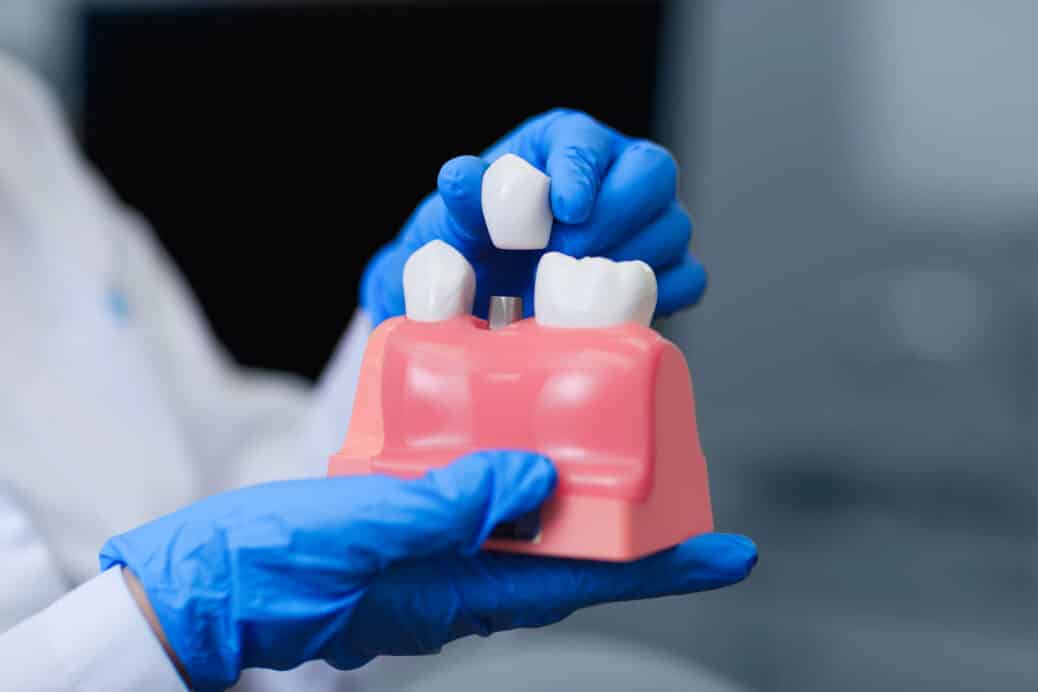
It is one of the most common assumptions people make about dental implants: that there is a cut-off age, and once you pass it, the option is off the table.
If you have been living with missing teeth, a denture that slips, or teeth you have quietly stopped trusting at mealtimes, you may have already decided that dental implants are something for younger people.
That assumption is worth questioning. In most cases, it is wrong.
There is no upper age limit for dental implants in Australia. Older adults in their 70s, 80s, and beyond have dental implant surgery every year with high success rates.
Many of them have spent years adapting their diet to work around the problem, cutting food into smaller pieces or avoiding favourite meals altogether, before learning that dental implants were still an option. Because implants function like natural teeth, they can restore chewing, speech, and a confident smile that missing teeth had slowly taken away.
So if age does not decide eligibility for dental implants, what does?
What Actually Decides Whether You Can Get Dental Implants
Three things matter far more than your date of birth.
Bone density and volume. An implant post needs to fuse with your jawbone to create a solid foundation for replacement teeth. After tooth loss, bone gradually shrinks in the gap (a process called bone loss), and over time this can affect your facial structure. If there is not enough bone remaining, modern implant techniques such as bone grafting can rebuild it. Low bone density is not a disqualifier. It is an extra step that your implant dentist and, in many cases, a specialist periodontist will plan for.
Gum health. Active gum disease needs to be treated before implant placement can go ahead. Once gums are stable, most patients are clear to proceed. If you have been keeping up with regular dental check-ups, your oral health is likely in good shape already.
Overall health and healing capacity. Your body needs to heal around the implant over several months (a process called osseointegration). Your medical history matters here: conditions that significantly slow healing may need to be managed first, but they rarely rule dental implants out entirely.
A 2019 study published in the Journal of Clinical Periodontology looked at implant outcomes in elderly patients aged 65 and over and found that early implant loss rates were comparable to those in younger patients. The researchers concluded that age itself should not be considered a limiting factor. In short, dental implants are safe for older adults when bone health and overall health are properly assessed.
Health Conditions Worth Mentioning to Your Dentist
If any of the following health conditions apply to you, they are worth raising at your initial consultation. None of them automatically mean “no,” but they can affect how your treatment plan is shaped and timed.
- Diabetes. Well-controlled diabetes is generally manageable. Uncontrolled diabetes can impair healing, so your dentist may coordinate with your GP to make sure blood sugar levels are stable before and after the implant procedure.
- Blood-thinning medication. The timing of the procedure may need adjusting around your medication schedule. Your dentist and GP can work this out together.
- Osteoporosis and bisphosphonates. The condition itself is rarely a barrier, but bisphosphonate medications (commonly prescribed for bone density) need to be flagged. Depending on the type and duration of the medication, timing may be adjusted.
- Smoking. This is the biggest modifiable risk factor for implant failure. If you smoke, quitting before implant surgery significantly improves your chances of successful treatment.
The common thread here: these are conversations to have with your dentist, not doors that close.
Six Questions to Ask Before You Agree to Treatment
If you are seriously considering dental implants, this checklist will help you get the right information before committing to the dental implant process.
- Who is placing the implant? Some general dentists handle implant placement themselves; others refer to a specialist periodontist or oral surgeon. Either approach can work well. The point is knowing who is doing what, and that they are an experienced implant dentist.
- Is the quote fully itemised? A proper quote should break down the cost of the implant post, abutment, crown, any imaging (such as a 3D scan), grafting if needed, sedation, and follow-up visits. If you are only seeing a single “from $X” figure, ask for the full breakdown.
For a broader picture of pricing, Seniorocity’s guide to what implants cost in Australia is a useful starting point.
- What happens between stages? The dental implant process typically takes three to nine months from implant placement to the final restoration (the crown or bridge that goes on top). Ask what you will wear in the gap between stages: a temporary tooth, a healing cap, or nothing at all. This matters for comfort and confidence during treatment.
- Are there risks specific to your health? If you have diabetes, take blood thinners, or have osteoporosis, ask how these affect the treatment plan and what precautions are being taken.
- Is there an alternative worth considering? Dental implants are not the only tooth replacement option. Implant-retained dentures, bridges, or even a reline of your current denture might be a better fit depending on your situation, budget, and health. A good dentist will present all your options, not just the most expensive one.
- What does long-term aftercare look like? Dental implants can last over 20 years with proper care, but they still need good oral hygiene and regular dental check-ups, just like natural teeth. Ask what the maintenance schedule involves so there are no surprises down the track.
For a practical walkthrough of the full process, including recovery timelines and financial support options, read this dental implants for seniors guide.
The Bottom Line
Your age is a number on a form. It is not a clinical barrier to getting dental implants. What matters is your bone health, your gums, your overall health, and whether you have an implant dentist who takes the time to assess your individual situation properly.
If you have been putting off the conversation because you assumed you had left it too late, it is worth booking an initial consultation to find out where you stand. Dental implants for seniors are more accessible than most people realise, and you may have more options than you think.
Any surgical or invasive procedure carries risks. Before proceeding with dental implant treatment, you should seek a second opinion from an appropriately qualified health practitioner.