Missing teeth can make everyday life harder than it should be. Eating becomes tricky, speaking may feel uncomfortable, and even smiling in photos can feel awkward. If you’re a senior in Australia considering dental implants, you’re probably asking the same question many others do: How much will it really cost?
The answer isn’t always simple. Prices vary widely depending on your dental health, the type of implant, and the clinic you choose. Still, understanding the typical 2026 price ranges will help you plan with confidence. Let’s look at what seniors across Australia can expect to pay and how you can make the right decision for your smile.
Average Dental Implant Costs
Dental implant prices in Australia remain among the highest worldwide, reflecting advanced standards, strict safety regulations, and high‑quality materials. Seniors can expect costs to vary depending on the type of treatment:
- Single-tooth implant: AUD$3,000–$6,500 per tooth, covering the titanium post, abutment, and crown.
- Premium single-tooth implant: AUD$4,500–$8,500 when advanced imaging, guided surgery, or premium crowns are included.
- Multiple implants: AUD$9,000–$22,000 for two to four teeth, depending on complexity and materials.
- Full arch systems: AUD$18,000–$38,000 per arch for all-on-4 implant treatment.
- Complete upper and lower restoration: AUD$45,000–$75,000 or more.
Understanding the typical costs upfront helps seniors make informed decisions about their long‑term oral health.
Why Implant Costs Vary So Much
Dental implants are highly personalised treatments, so it’s normal to see price differences between clinics. Key factors include:
- Oral health needs: Additional procedures such as bone grafting surgery, gum treatments, or extractions can add AUD$500–$5,000.
- Clinic location: Major city practices often charge more due to higher operating costs, while regional clinics may be less expensive but harder to access.
- Materials used and brands: Options range from acrylic or porcelain crowns to premium zirconia restorations, with the implant brand also influencing price.
For seniors planning ahead, exploring dental with superannuation can be a practical way to manage costs. Some clinics guide patients on using retirement savings for essential dental treatments. This can help balance affordability with long‑term financial security.
What Is Included in the Implant Price
When you receive a dental implant quote, it usually includes several stages of treatment. Understanding these steps helps you compare clinics accurately.
When you receive a dental implant quote from a clinic or healthcare facility, it usually includes several stages of treatment. Understanding these steps helps you compare providers accurately.
Most implant procedures include an initial consultation and diagnostic imaging, such as X-rays or a 3D cone beam CT (CBCT) scan. These tests help the dentist assess your jawbone health and determine implant placement. Imaging and consultation alone can cost AUD$250–$600.
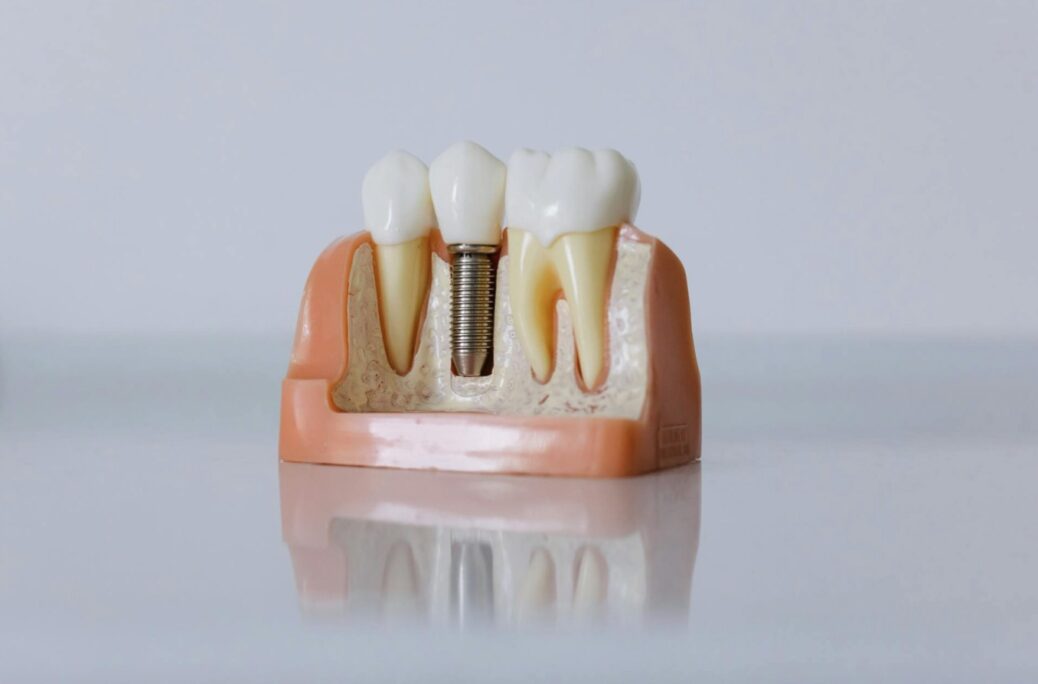
Next comes the implant surgery itself. During this procedure, a titanium post is inserted into the jawbone. This acts as the root of the new tooth and must heal for several months as the bone integrates with the implant.
After healing, the dentist attaches an abutment and a custom crown. This final stage creates the visible tooth and restores normal chewing function.
Option That May Cost Less for Seniors
Dental implants are a long‑term investment, but some seniors prefer a more affordable implant‑supported solution. An implant‑supported denture uses two to four implants to anchor a removable denture, improving stability compared with traditional dentures while keeping costs lower.
In Australia, this option typically ranges from AUD$12,000–$28,000 per arch. This makes it a more economical choice than a full‑arch implant system while still offering better chewing ability and comfort.
Insurance, Medicare, and Payment Options
One surprise for many seniors is that Medicare does not cover dental implants in Australia. The public dental system mainly focuses on basic dental care rather than advanced restorative procedures.
Private health insurance may provide partial rebates, but these usually apply to the prosthetic components rather than the surgical implant placement. Waiting periods and annual claim limits also apply, so coverage is often limited.
Because of this, many dental clinics and healthcare facilities offer payment plans or medical financing. Another cost‑saving strategy is to request multiple quotes, since implant prices can vary significantly between clinics, even within the same city. Comparing treatment plans helps you understand what each provider includes in their fee.
Are Dental Implants Worth the Cost?

Screenshot
There’s no denying that dental implants are expensive. Yet many seniors choose them because they offer benefits that dentures or bridges cannot match. Implants fuse directly with the jawbone, which helps prevent bone loss and preserves facial structure. They also restore natural chewing strength, allowing you to enjoy a wider range of foods again. Most importantly, they feel stable and secure.
With proper care, dental implants can last 15 to 20 years or longer, making them one of the most durable tooth replacement options available today.
Final Thoughts
If you’re considering implants in 2026, the key is careful planning. Speak with a qualified dentist, discuss all available treatment options, and understand exactly what your quote includes. Once you have the full picture, you can decide whether implants are the right investment for your long-term oral health.