For many of us, driving represents freedom. It is the ability to go where you want, when you want, without relying on anyone else. Over time, your car can also become tied to routine, identity, and even cherished memories.
But there often comes a point when holding onto a car requires a second thought. This is not about giving up independence. It is about recognising changing needs and making decisions that support safety, simplicity, and peace of mind.
Knowing when to let go is rarely a single moment. It is a gradual process of reflection, guided by both practical and emotional factors.
The Role Of Driving In Later Life
Driving plays a significant role in maintaining independence. It makes everyday tasks easier, from grocery shopping to visiting friends. It also helps people stay socially connected, which is essential for overall well-being.
For many older drivers, the car is not just a means of transport. It is a symbol of self-reliance. Even short trips can feel empowering, especially when alternatives seem less convenient or familiar.
At the same time, lifestyle patterns often shift in later years. Some people drive less frequently, stick to familiar routes, or avoid certain conditions.
These changes are natural and can be the first signal that it may be time to reassess the role of driving in daily life.
Subtle Signs It Might Be Time To Reconsider Driving
The decision to stop driving is rarely triggered by one obvious event. More often, it is a series of small changes that gradually become noticeable.
Some signs worth paying attention to include:
- Feeling more anxious or tense behind the wheel
- Taking longer to react in busy or complex traffic situations
- Avoiding night driving, highways, or unfamiliar areas
- Experiencing minor scrapes, near misses, or close calls
- Receiving gentle concern or feedback from family members
These signs do not mean driving must stop immediately. Instead, they offer a chance to pause and reflect. Being honest about these changes can help prevent future risks.
Practical Considerations Beyond Driving Ability
Even if driving still feels manageable, there are practical factors that deserve attention. Owning a car comes with ongoing costs and responsibilities that can become less worthwhile over time.
Maintenance is one of the most common concerns. Older vehicles often require more frequent repairs, which can add up quickly. Insurance and registration costs may also rise, especially if the car is not used often.
Another key question is frequency of use. If the car spends most of its time parked, it may no longer justify the expense and effort.
Cleaning, servicing, and general upkeep can start to feel like unnecessary tasks rather than part of a useful routine.
The Hidden Costs Of Holding Onto An Unused Car
A car that sits idle may seem harmless, but it can carry hidden costs. Financially, it represents money tied up in an asset that is no longer providing real value. Ongoing expenses continue, even when the vehicle is rarely driven.
There is also the issue of space. A car can take up valuable room in a garage or driveway, limiting other uses for that area. For those looking to simplify their home environment, this can become an important consideration.
On a broader level, older vehicles can have a higher environmental impact. Letting go of a car that is no longer needed can be a small but meaningful step towards more sustainable living.

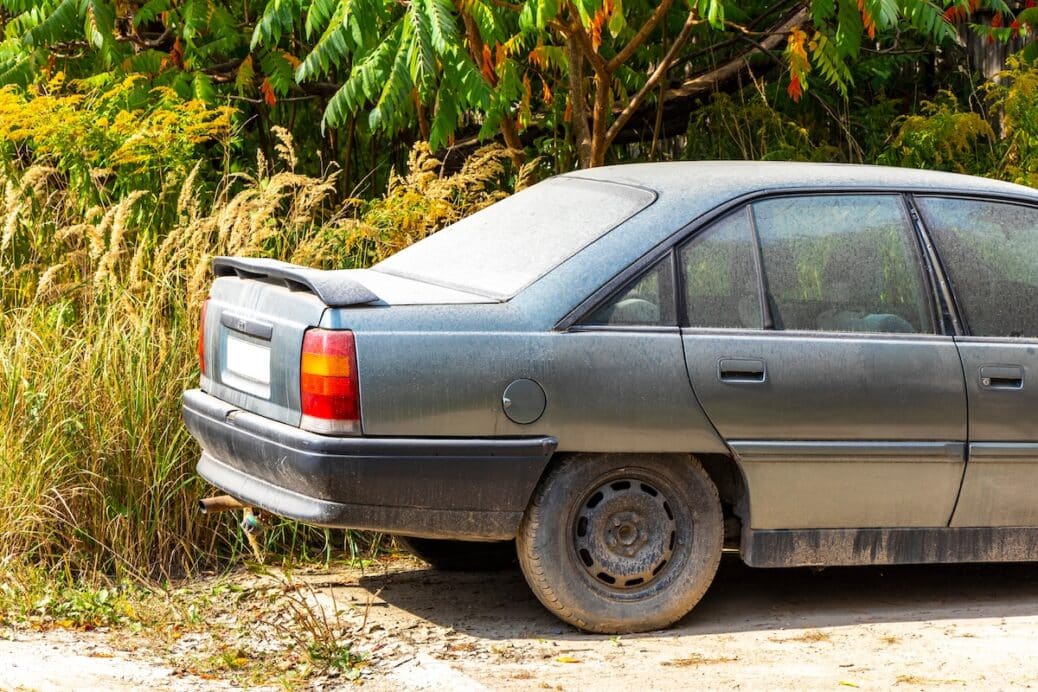
A white car sits on the street with a flat tire and visible rust on the rear wheel area.
Exploring Alternatives That Maintain Independence
One of the biggest concerns about giving up a car is the fear of losing independence. In reality, there are more options than ever to stay mobile without driving.
Public transport networks often provide discounted fares for seniors, making them a practical and affordable choice.
Community transport services are also available in many areas, offering tailored support for appointments and social outings.
Ride-sharing services and taxis can fill the gaps, especially for trips that are less frequent or less convenient by public transport.
Many people also find that friends and family are happy to help when needed.
The key is to view independence differently. It is not about driving at all costs. It is about having reliable ways to get where you need to go, without added stress.
Making The Decision: A Balanced Approach
Letting go of a car does not have to be an all-or-nothing decision. A gradual approach often works best.
Start by reducing how often you drive. Try alternative transport options for certain trips and see how they fit into your routine. This can build confidence and highlight what works well.
It can also help to talk openly with family members or trusted friends. They may offer useful perspectives or practical support.
In some cases, speaking with a medical professional can provide additional clarity, especially if health concerns are part of the decision.
The goal is to make a choice that feels considered and comfortable, rather than rushed.
What To Do With A Car You No Longer Need
Once the decision is made, the next step is deciding what to do with the car. There are several options, depending on its condition.
If the car is still in good working order, selling it privately or trading it in can be worthwhile. Donating it to a charity is another meaningful option that can give the vehicle a second life while supporting a good cause.
For older cars that are no longer reliable or cost-effective to repair, disposal becomes the more practical route. In these situations, reaching out to Adelaide wreckers or similar services in your area can make the process simple, as they can handle vehicle removal and ensure it’s recycled responsibly.
This approach not only frees up space but also helps minimise environmental impact, making it an efficient and hassle-free solution.
The Emotional Side Of Letting Go
Letting go of a car is not just a practical decision. It can also be an emotional one. A vehicle may hold years of memories, from family trips to everyday routines.
It is important to acknowledge these feelings rather than dismiss them. At the same time, it can help to reframe the decision.
Letting go is not about loss. It is about making room for a simpler, safer way of living.
Focusing on the benefits, such as reduced stress and fewer responsibilities, can make the transition feel more positive.
Over time, many people find a sense of relief in no longer having to manage a car.
Conclusion
There is no universal answer to when it is time to let go of your car. It depends on individual circumstances, preferences, and priorities.
What matters most is making a thoughtful decision that supports your well-being. By recognising the signs, weighing the practical factors, and exploring alternatives, it becomes easier to take that step with confidence.
Letting go of a car does not mean giving up independence. In many cases, it is the beginning of a more manageable and stress-free way of living.